
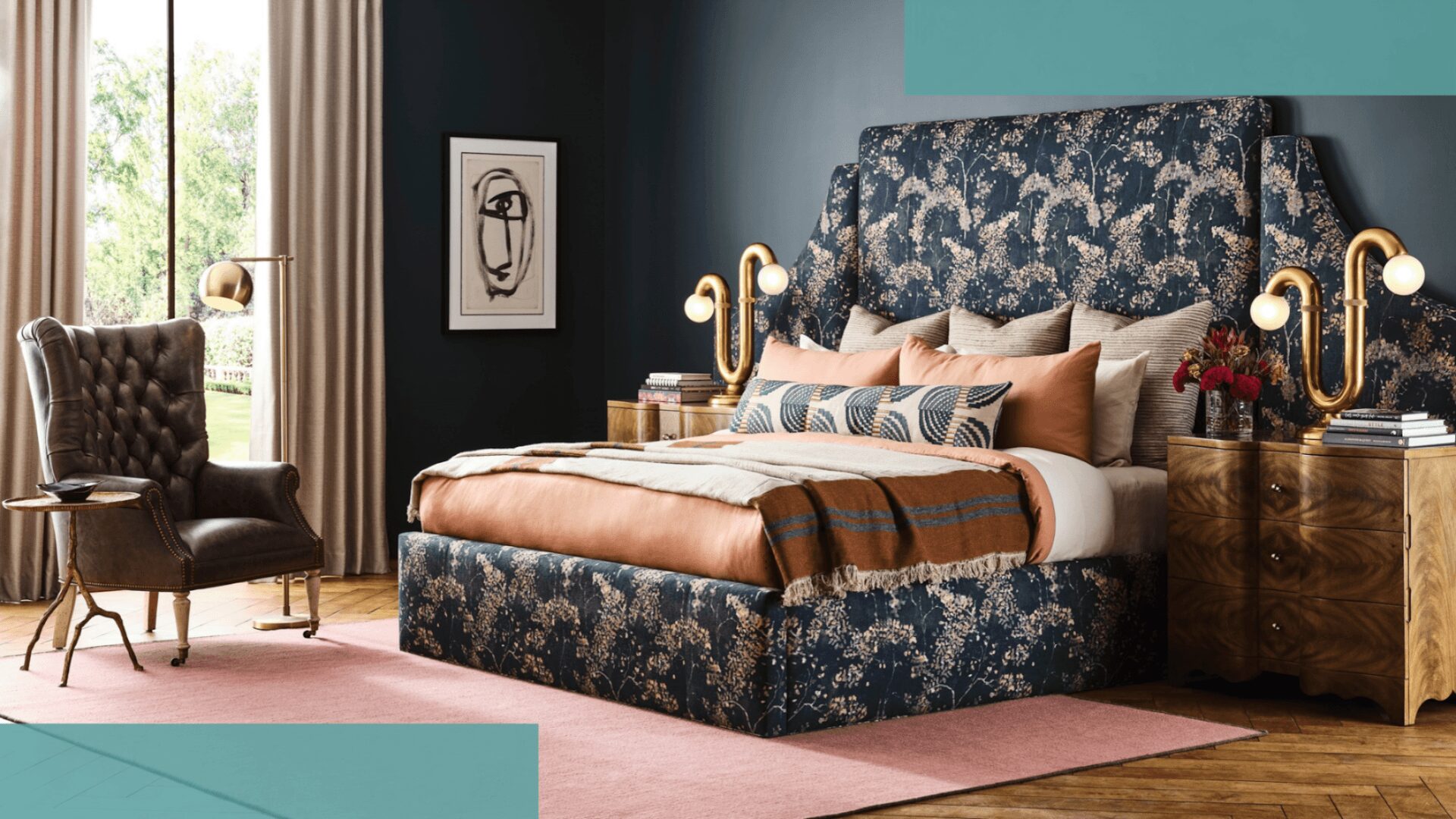
When it comes to creating a bedroom space that has personality, one thing to consider is not to have a complete matching furniture set. In fact, a bedroom can feel thoughtfully furnished without every piece coming from the same collection. Combining different finishes, materials, and styles can create a more personal look you are attempting to achieve than a matching bedroom set from top to bottom. The main challenge is knowing which pieces complement one another and which combinations feel disconnected. The goal isn’t to make every item identical. The ultimate goal is to create a bedroom where the bed, nightstands, dresser, and accent pieces feel like they belong together, even when their designs differ. If you’re updating your bedroom furniture in Lafayette, a few practical design principles can help you create a cohesive space that reflects your style. Also Read: Easy Ways to Refresh Your Bedroom Without a Complete Overhaul
Start With the Bed as Your Anchor Piece
The bed usually commands the most attention in the bedroom, making it a natural starting point for choosing the rest of your furniture. Things to consider are the shape, finish, materials, and overall style before selecting other pieces. A substantial upholstered bed, for example, may pair beautifully with wood nightstands that introduce warmth and structure. A traditional wood bed can work with more streamlined bedside tables if their finishes and proportions complement the room. You don’t need to match every detail. Instead, identify one or two characteristics of the bed that can carry throughout the space. These might include:
- Color: Repeat a wood tone, fabric color, or complementary shade elsewhere in the room.
- Shape: Balance a curved headboard with rounded accessories or contrast it with clean-lined furniture.
- Materials: Connect upholstered, wood, metal, or glass pieces through a thoughtful mix of textures.
- Style: Use the bed’s overall character to guide the level of formality in the remaining furniture.
Once you’ve established this foundation, choosing complementary pieces becomes much easier.
Mix Wood Finishes Without Making the Room Feel Disconnected
One of the most common concerns when combining bedroom furniture is whether different wood finishes will clash. The good news is that wood furniture doesn’t have to match perfectly. Different finishes can add depth and keep a room from looking overly uniform. What matters is creating a visual connection between them. For example, a darker wood bed may work with medium-toned nightstands and a light dresser when the surrounding colors and materials help tie everything together. Keep these principles in mind:
- Look for a shared undertone. Woods with warm undertones often work well together, as do finishes with cooler or more neutral characteristics.
- Repeat finishes intentionally. If a wood tone appears on a dresser, consider choosing it in a mirror frame, bench, or another accent.
- Balance light and dark pieces. Distribute contrasting finishes throughout the room rather than concentrating all the visual weight in one corner.
- Consider the flooring. Your bedroom floor is already a major wood or wood-look surface. Account for its color when selecting furniture finishes.
Before committing to a combination, view the pieces together whenever possible. Lighting can change how a finish appears, and a color that looks similar on a screen may look quite different in person.
Decide Whether Your Nightstands Should Match
Matching nightstands are a classic choice, particularly when the bed is centered on a wall and the room has a symmetrical layout. They create a balanced appearance and can make furniture selection straightforward. But matching nightstands aren’t the only option. Different bedside tables can work well when they share a similar visual weight, height, or design language. You might pair two different finishes, combine a wood nightstand with an upholstered bedside piece, or choose tables with related shapes but different details. Before mixing nightstands, consider how you’ll use them. Both sides of the bed may need storage, lighting, and a place for everyday essentials, even if the furniture itself differs. If you prefer a more traditional bedroom, matching nightstands may provide the balance you want. If you enjoy a more collected look, complementary pieces can introduce personality without sacrificing function.
Combine Traditional and Contemporary Styles Thoughtfully
Mixing furniture styles can make a bedroom feel distinctive, but too many competing elements can leave the room feeling unsettled. A useful approach is to let one style lead and introduce the other as an accent. For example, traditional bedroom furniture with decorative details may pair nicely with a simpler contemporary bench or streamlined lighting. Conversely, a modern bed can gain warmth from a traditional dresser or a piece with a more decorative silhouette. The key is to establish a connection between the pieces. Look for common elements such as similar proportions, complementary finishes, repeated shapes, or a consistent color palette. A contemporary piece doesn’t have to look traditional to work beside traditional furniture. It simply needs a reason to belong in the room. This approach also gives you more flexibility when furnishing a home over time. Rather than replacing everything to achieve a coordinated look, you can incorporate new pieces that complement what you already own.
Pay Attention to Scale and Proportion
Even beautiful bedroom furniture can look out of place when its proportions don’t suit the room. A large, substantial bed may overwhelm a small bedroom if it’s paired with equally bulky case goods. On the other hand, delicate bedside tables can appear undersized next to a tall, dramatic headboard. When combining furniture, consider the relationship between each piece and the room as a whole.
- Bed and nightstands: Make sure the nightstands are practical to reach and visually balanced with the bed.
- Bed and dresser: Consider the dresser’s height, width, and placement so it doesn’t compete with the headboard.
- Furniture and walkways: Leave enough space to move comfortably around the bed and open drawers without obstruction.
- Accent furniture: Add a bench, chair, or chest only if it serves a purpose and fits comfortably within the available space.
Measure your bedroom before shopping, including wall lengths, doorways, windows, and the space needed to open drawers. Bringing those measurements with you can help you compare furniture more confidently.
Use Color and Texture to Tie Everything Together
When furniture styles or finishes differ, color and texture can help create a sense of continuity. Start with a palette that suits the atmosphere you want in your bedroom. Warm neutrals, rich wood tones, soft greens, deep blues, and muted earth tones can each provide a different foundation. Then look for opportunities to repeat those colors and textures across the room. For example, upholstered furniture might introduce softness beside wood case goods. Metal details on a mirror or lamp could echo hardware elsewhere. A rug, bedding, or artwork might bring together colors that appear separately in the furniture. You don’t need to repeat every material throughout the space. A few intentional connections are often enough. Also, consider how much visual activity the room can comfortably support. If your bed features a bold pattern or elaborate detailing, simpler furniture may allow it to stand out. If the main furniture pieces have clean lines, a more expressive accent can add interest. Also Read: How to Mix Metal Finishes for a Cohesive, Elevated Look
See How Different Bedroom Furniture Pieces Work Together
Mixing bedroom furniture becomes easier when you can compare finishes, evaluate proportions, and see the details in person. At Albarado’s Fine Furnishing in Lafayette, you can explore quality bedroom furniture from brands including Hooker Furniture, Century, and Lillian August. Our team can help you consider how different pieces, finishes, and styles may work together in your home. If you’re furnishing an entire bedroom, start with the pieces you need most. If you’re updating an existing room, bring photos and measurements of your current furniture so you can look for complementary options rather than starting from scratch. You may discover that the right new bed, dresser, or beside table is all it takes to give the room a more finished feel.
Create a Bedroom That Feels Like Yours
A well-designed bedroom doesn’t have to come from a single furniture collection. By starting with an anchor piece, balancing finishes, considering proportions, and repeating a few visual elements, you can combine different styles into a space that feels intentional and personal. Whether you’re furnishing a new bedroom or updating the pieces you already own, thoughtful selection can help you create a room that feels cohesive without looking overly coordinated. Visit Albarado’s Fine Furnishings in Lafayette, Louisiana, to explore quality bedroom furniture and discover pieces that complement your home. Our team can help you find the right combination for your space, style, and everyday needs. Ready to rethink your bedroom? Contact Albarado’s to discuss your project or visit our showroom to explore our bedroom furniture collection and complimentary design consultation services.